Get Fence Staining
Fence staining services help property owners protect, enhance, and restore fences by applying durable stains to improve appearance and prevent damage.
Property owners considering fence staining often seek a durable and visually appealing finish that enhances their outdoor space. Proper staining can protect the wood from weather damage, extend the lifespan of the fence, and improve curb appeal. Whether updating an existing fence or preparing a new installation, exploring local contractors with experience in fence staining can help ensure the project meets practical needs and aesthetic preferences.
For those planning outdoor improvements, comparing options among nearby service providers can provide insight into different techniques, materials, and approaches suited to local conditions. Connecting with trusted local contractors allows property owners to gather information and make informed decisions about their fence staining projects, ensuring the results align with their goals for durability and appearance.
- Fence staining for weathered wood - homeowners seeking to refresh and protect aging fences from the elements.
- New fence staining projects - property owners wanting to enhance the appearance and durability of freshly installed fences.
- Fence staining after repairs - clients needing to restore color and protection following fence maintenance or fixing damaged sections.
- Seasonal fence staining - those preparing their fences for upcoming seasons to prevent damage from environmental factors.
- Fence staining for aesthetic upgrade - individuals aiming to improve curb appeal by adding a fresh, uniform finish to their fences.
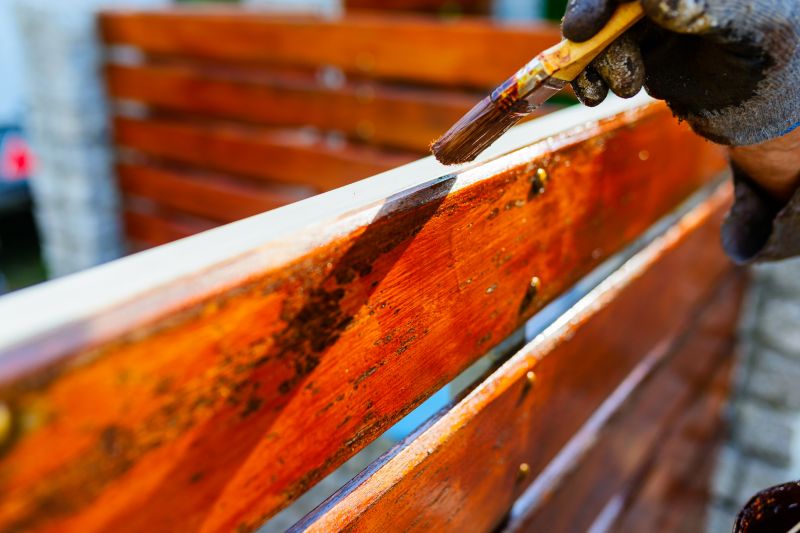
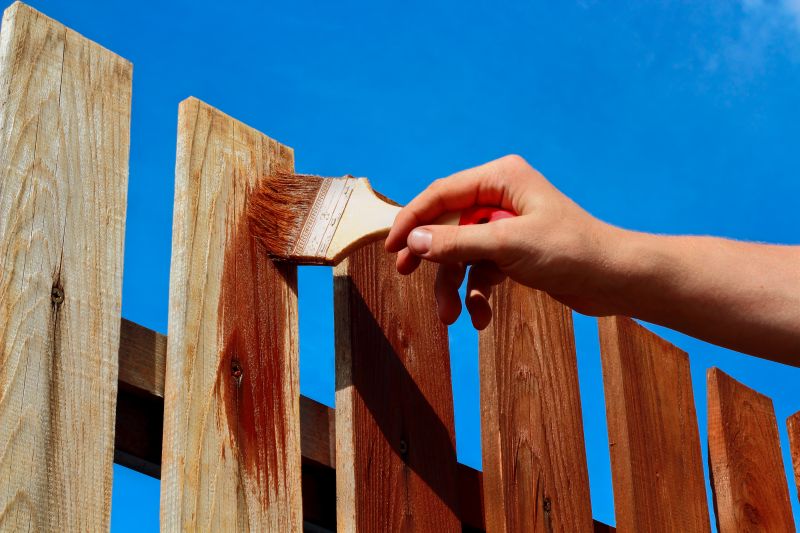
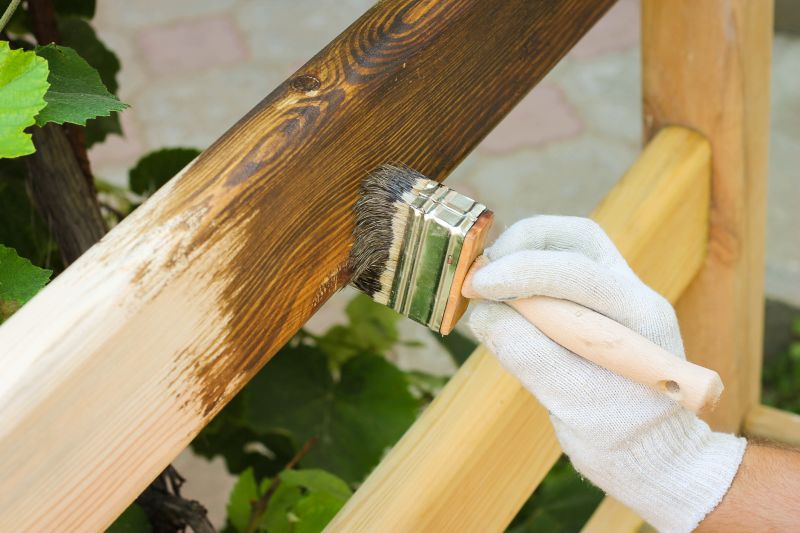
Fence staining services involve applying a protective and decorative finish to wooden fences, enhancing their appearance and extending their lifespan. The process typically includes cleaning the fence surface to remove dirt, mold, or old stain, followed by carefully applying a stain or sealant that penetrates the wood. This treatment not only improves the visual appeal of the fence but also provides a barrier against moisture, UV rays, and other environmental elements that can cause deterioration over time. Skilled contractors use quality products and techniques to ensure an even, long-lasting finish that helps maintain the fence’s structural integrity.
One of the main problems fence staining addresses is weather-related damage. Over time, exposure to rain, snow, and sunlight can cause wood to warp, crack, or fade. Without proper protection, fences may require more frequent repairs or replacement. Staining helps mitigate these issues by sealing the wood, preventing moisture from seeping in and reducing the risk of rot or insect infestation. Additionally, staining can help hide minor imperfections and discoloration, making an aging fence look refreshed and well-maintained.
Fence staining is commonly used on residential properties, including yards, gardens, and privacy fences. It is also popular for commercial properties such as parks, community centers, and business grounds that feature wooden fencing. Typically, properties with wooden fences that are several years old or have been exposed to harsh weather conditions benefit from staining. Homeowners seeking to preserve the natural beauty of their wood or improve curb appeal often contact local contractors for this service, especially when they notice signs of fading, peeling, or surface damage.
Choosing to have a fence stained can be a practical step in maintaining property value and aesthetic appeal. Local service providers are equipped to handle a variety of fencing types and sizes, offering advice on the best stains and finishes for specific needs. Whether the goal is to refresh a worn fence, protect against future damage, or simply enhance visual appeal, professional fence staining can be an effective solution. Contacting experienced contractors ensures that the work is done properly, helping fences look their best while staying protected against the elements.
The overview below groups typical Fence Staining projects into broad ranges so you can see how smaller, mid-sized, and larger jobs often compare in your area.
In many markets, a large share of routine jobs stays in the lower and middle ranges, while only a smaller percentage of projects moves into the highest bands when the work is more complex or site conditions are harder than average.
Smaller Repairs - Touch-up staining or minor repairs typically cost between $250 and $600 for many smaller projects. These jobs are common and usually fall within the middle of the price range. Larger or more complex repairs can push costs higher.
Standard Staining - For staining existing fences, local contractors often charge between $600 and $1,200. Many routine staining projects land in this range, depending on fence size and condition. Prices may increase for older or heavily weathered fences.
Full Fence Staining - Complete staining of a standard-sized fence usually costs between $1,200 and $2,500. Most homeowners fall into this range, with larger properties or higher-quality finishes reaching higher costs. Fences with intricate designs or multiple sections may cost more.
Fence Replacement - Larger, more involved projects such as fence replacement or extensive staining can reach $5,000 or more. These projects are less common and typically involve significant materials and labor costs for larger or more complex fences.
Actual totals will depend on details like access to the work area, the scope of the project, and the materials selected, so use these as general starting points rather than exact figures.
Deck Staining and Sealing - local contractors skilled in surface preparation and applying protective finishes can handle deck staining projects similar to fence staining.
Wood Fence Repair - professionals experienced in wood surface treatments often provide repair and restoration services that complement staining work.
Exterior Wood Painting - local service providers with painting expertise can offer staining and sealing as part of their exterior wood finishing solutions.
Privacy Screen and Pergola Finishing - specialists in outdoor wood structures can apply stains and protective coatings to enhance durability and appearance.
Playground Equipment Staining - contractors familiar with staining large outdoor wooden features can assist with projects requiring surface preparation and finishing.
Garden Arbor and Trellis Staining - local pros experienced in wood finishing can provide staining services for decorative garden structures similar to fence staining.
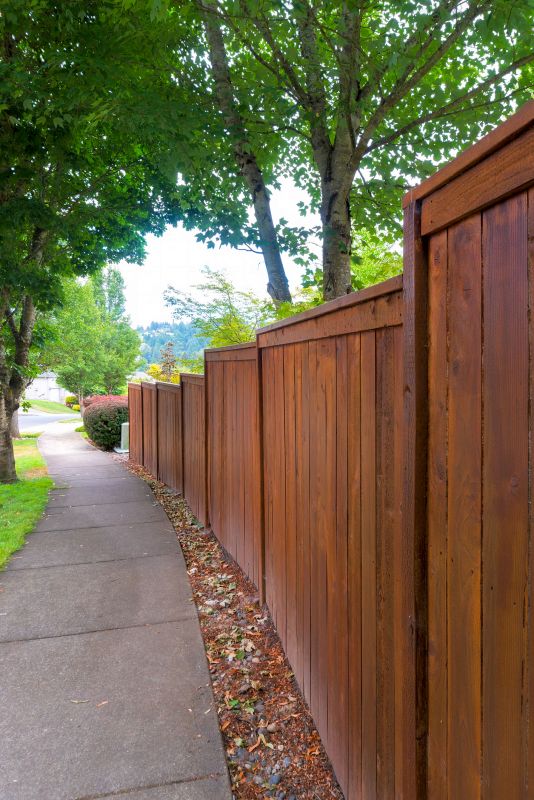
When comparing service providers for fence staining, it’s important to consider their experience with similar projects. Homeowners should inquire about how long a contractor has been working in the local area and whether they have a history of completing fence staining jobs comparable in size and style. A contractor’s familiarity with the specific types of fences and wood treatments common in the neighborhood can help ensure the work is performed effectively and with attention to detail. This background can also provide insight into their ability to handle different wood conditions and weather-related challenges typical of the local climate.
Clear, written expectations are essential when evaluating potential contractors. Homeowners should seek detailed descriptions of the scope of work, including preparation steps, stain types, and finishing techniques. A reputable service provider will be transparent about what is included and what might require additional services. Having these expectations documented helps prevent misunderstandings and ensures everyone is aligned on the project’s goals. It’s also helpful to ask how the contractor plans to handle any unforeseen issues that could arise during the staining process.
Reputable references and effective communication are key indicators of a dependable local contractor. Homeowners can request references from previous clients to gain insight into the contractor’s reliability, craftsmanship, and professionalism. Good communication throughout the process - including prompt responses to questions and clear updates - can make the experience smoother and more predictable. While the site introduces homeowners to local options, it’s important to remember that the actual fence staining work is handled by these local service providers. Comparing their experience, clarity of expectations, and communication practices can help identify the best fit for the project.
Property owners use Fence Staining services for practical projects around their homes and businesses. This guide focuses on everyday jobs and straightforward project options.
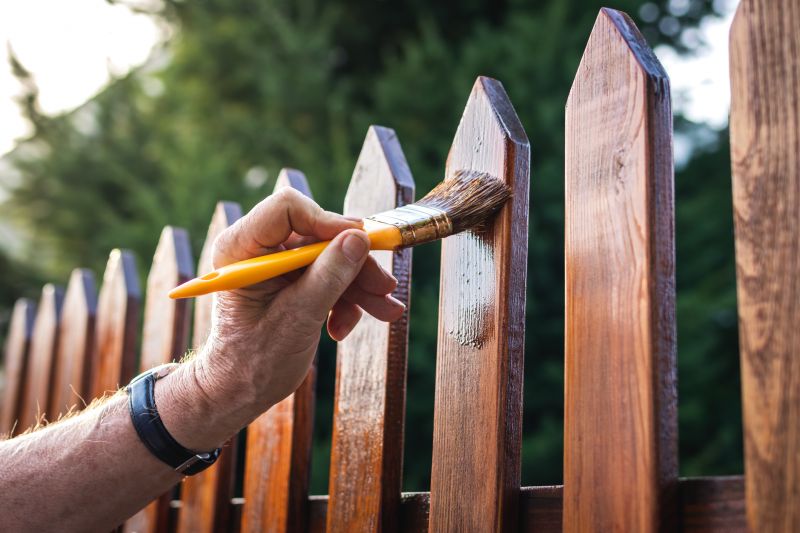
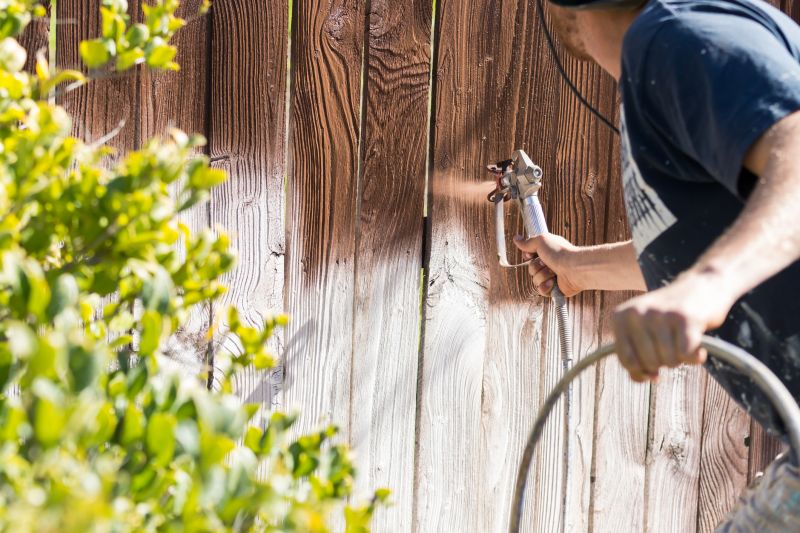
Fence staining is a common project for property owners looking to enhance the appearance and longevity of their outdoor spaces. Whether a homeowner wants to refresh a faded or weathered fence or protect it from future damage, local contractors can provide the necessary staining services. These professionals help maintain the aesthetic appeal of yards, gardens, and outdoor living areas, making fences look new and well-kept.
Many property owners seek fence staining to improve curb appeal or prepare their homes for resale. Additionally, those experiencing signs of wear, such as peeling or discoloration, often turn to local service providers for a quick and effective refresh. Fence staining can also serve as a protective layer against the elements, helping fences withstand moisture, sun exposure, and other environmental factors. Local contractors are available to assist with these projects, offering professional solutions tailored to individual property needs.
What is fence staining? Fence staining involves applying a protective and decorative finish to wooden fences, enhancing their appearance and helping to preserve the wood from weather damage.
Why should I consider fence staining? Staining can improve the look of a fence while providing protection against moisture, UV rays, and pests, potentially extending its lifespan.
What types of stains are available for fences? There are various stain options, including transparent, semi-transparent, and solid stains, each offering different levels of color and protection.
How do local contractors prepare for fence staining projects? Contractors typically clean the fence surface, remove any existing coatings, and ensure the wood is dry before applying the stain for optimal results.
Can fence staining be done on all types of wood? Most common fencing materials like cedar, pine, and redwood can be stained, but it’s best to consult with local service providers for specific recommendations based on the wood type.
Enhance Privacy and Security - Staining a fence can improve privacy and create a more secure environment around a property. Local contractors can help achieve a uniform, attractive finish that complements outdoor spaces.
Restore and Protect Wooden Fences - Applying stain helps preserve wood by shielding it from weather damage and extending its lifespan. Service providers can assist with refreshing faded or worn fences to maintain their appearance.
Define Property Boundaries - A freshly stained fence clearly marks property lines, reducing disputes and enhancing curb appeal. Local pros can ensure the fence looks neat and well-maintained for a tidy yard presentation.
Improve Outdoor Aesthetics - Staining can update the look of a yard, making outdoor spaces more inviting for gatherings or everyday enjoyment. Contractors can provide finishes that match personal style and outdoor decor.
If you are thinking about Fence Staining for a property, this guide is meant to help you understand the work, the typical project types, and how different options might fit your plans.
When you are ready, you can use the quote form on this page to share a few details about your project. From there, local pros can review the basics and respond with options that match what you have in mind.